Digital India April 2026: UPI Hits 241 Billion Transactions, RBI 2FA Rules, ONDC Update
Table of Contents
India’s digital payments ecosystem entered a new phase in April 2026 as UPI transaction volumes reached 241.6 billion annually, the Reserve Bank of India’s mandatory two-factor authentication rules took effect, and ONDC updated its platform while merchants report mixed results with the open commerce network. Here is the complete Digital India update for late April 2026.
UPI Reaches 241.6 Billion Annual Transactions
India’s Unified Payments Interface has crossed a landmark that would have been unimaginable a decade ago: 241.6 billion annual transactions with a total value of ₹314 trillion — a 30% volume increase and 20.6% value increase year-over-year. UPI QR codes now number 731.38 million, and point-of-sale terminals have grown to 11.48 million, both registering 15% annual growth. In 2025, UPI processed 228.5 billion transactions worth ₹299.74 trillion, establishing the base for this year’s acceleration.
The scale is staggering: India’s UPI now processes more digital payment transactions than any other country’s payment system, and the per-transaction cost continues to fall as infrastructure investment is amortized across the growing volume base. The micro-payment economy — transactions under ₹100 — now represents a significant share of volume, driven by use cases including street vendor payments, transit, and in-game purchases.
RBI Mandatory 2FA Rules: What Changed on April 1, 2026
The Reserve Bank of India’s enhanced authentication rules, effective April 1, 2026, made two-factor authentication mandatory for all digital payment transactions. The implementation requires banks, payment app providers, and merchants to ensure that every digital transaction above a specified threshold is authenticated through at least two independent factors — typically device authentication plus biometric or OTP verification.
For most consumers using PhonePe, Google Pay, Paytm, or bank apps, the change is largely invisible — 2FA was already standard practice. The impact is primarily on edge cases: international merchants processing India-domiciled payments, older UPI implementations that relied on single-factor authentication, and business payment workflows that used automated single-factor verification for bulk transactions. Payment service providers have until June 2026 to achieve full compliance for all transaction types.
ONDC: Progress and Persistent Challenges
The Open Network for Digital Commerce updated its platform on April 17, 2026, with improvements to seller onboarding, logistics partner integration, and buyer app performance. ONDC’s ambition — to create an open, interoperable e-commerce network that reduces dependence on Amazon and Flipkart — remains compelling and strategically important for India’s digital commerce ecosystem.
However, emerging reports from early 2026 signal that adoption remains uneven in practice. Local merchants report operational frictions: order management across multiple buyer apps, inconsistent logistics partner performance, and customer service complexity that does not compare favorably with the closed-loop experience of established e-commerce platforms. ONDC volumes are growing but from a low base. The gap between ONDC’s potential and its current market share reflects the structural advantages that incumbent platforms have built over a decade.
DPI 2.0: Beyond UPI to Universal Data Empowerment
India’s digital public infrastructure is evolving from payment rails (UPI) to data empowerment infrastructure (Account Aggregator, DEPA framework). The vision articulated by ORF and India’s MeitY is a “DPI 2.0” that enables citizens to securely share their own data — financial, health, agricultural, educational — with service providers of their choice, with consent managed through a standardized protocol. This could unlock financial services for hundreds of millions of underserved Indians who have UPI payment history but no formal credit record — a significant development for financial inclusion at scale.
What to Watch in India’s Digital Economy for May 2026
Key developments to monitor: The ONDC monthly transaction volume report for April will indicate whether recent platform updates have accelerated merchant adoption. RBI’s June 2026 compliance review for the 2FA mandate will reveal how many payment service providers are still non-compliant. And the government’s forthcoming Digital Personal Data Protection Act implementation rules will determine how DEPA’s data-sharing framework operates in practice.
UPI Hits 241 Billion Transactions: Digital India UPI ONDC April 2026 Milestone
The Digital India UPI ONDC April 2026 story is dominated by a staggering milestone: the Unified Payments Interface (UPI) processed 241.6 billion transactions over the 12 months ending April 2026. This figure, released by the National Payments Corporation of India (NPCI), represents a 42% year-over-year growth and cements UPI’s position as the world’s largest real-time payment system.
The Digital India UPI ONDC April 2026 transaction data reveals the scale of India’s digital payment revolution. In April 2026 alone, UPI processed 18.3 billion transactions worth ₹23.4 lakh crore (approximately $280 billion). The average transaction value was ₹1,278, indicating that UPI is used for everything from small street vendor purchases to large business transactions. Peer-to-merchant payments now account for 61% of all UPI transactions, reflecting the platform’s deep penetration into retail commerce.
What Drove UPI’s Record Growth
The Digital India UPI ONDC April 2026 growth was driven by several factors. First, the expansion of UPI into rural areas through the Pradhan Mantri Jan Dhan Yojana (PMJDY) brought millions of previously unbanked citizens into the digital payment ecosystem. As of April 2026, over 530 million Jan Dhan accounts are linked to UPI, enabling direct benefit transfers and everyday transactions.
Second, the Digital India UPI ONDC April 2026 expansion benefited from international adoption. UPI is now accepted in 12 countries, including the UAE, Singapore, France, and the United Kingdom. Cross-border UPI transactions reached 45 million in April 2026, a figure that is growing 15% month-over-month. Indian travelers can now use UPI for payments at merchants in these countries, eliminating the need for currency exchange.
Third, the Digital India UPI ONDC April 2026 milestone was supported by the integration of credit lines on UPI. Launched in late 2025, UPI Credit allows users to access pre-approved credit lines through UPI, making credit available at millions of merchants that traditionally only accepted cash. In April 2026, UPI Credit transactions totaled ₹4,200 crore, with an average ticket size of ₹3,500.
RBI 2FA Rules: Digital India UPI ONDC April 2026 Security Evolution
The Digital India UPI ONDC April 2026 landscape was significantly shaped by new Reserve Bank of India (RBI) rules on two-factor authentication (2FA). The RBI’s updated 2FA framework, effective April 1, 2026, introduces more flexible authentication methods for digital payments while maintaining security standards. The new rules aim to reduce friction in digital payments without compromising fraud prevention.
The Digital India UPI ONDC April 2026 2FA rules allow payment apps to use biometric authentication—fingerprint, facial recognition, or iris scan—as the second factor of authentication, replacing the traditional SMS-based OTP. This change addresses a long-standing complaint: SMS OTPs are slow, sometimes fail to deliver, and are vulnerable to SIM-swap attacks. Biometric authentication is faster and more secure, provided the underlying biometric data is properly protected.
Key Changes in the RBI 2FA Framework
The Digital India UPI ONDC April 2026 2FA framework introduces several key changes. For transactions under ₹5,000, the RBI now allows single-factor authentication using device binding—a cryptographic link between the user’s bank account and their smartphone. This eliminates the need for a second authentication factor for small transactions, significantly reducing payment friction at retail point-of-sale.
For transactions between ₹5,000 and ₹1 lakh, the Digital India UPI ONDC April 2026 rules require two-factor authentication but offer multiple options: biometric authentication, SMS OTP, or authenticator app-based codes. For transactions above ₹1 lakh, a third factor—such as a hardware token or in-person verification—may be required. The tiered approach balances convenience with security based on transaction risk.
The Digital India UPI ONDC April 2026 2FA changes also address fraud reporting and liability. Banks must now refund fraudulently debited amounts within 10 working days of reporting, down from the previous 90-day timeline. This places greater responsibility on banks to detect and prevent fraud proactively. The RBI has also introduced a standardized fraud reporting mechanism across all banks, making it easier for consumers to report unauthorized transactions.
ONDC Platform Update: Digital India UPI ONDC April 2026’s Commerce Revolution
The Digital India UPI ONDC April 2026 narrative includes a major update to the Open Network for Digital Commerce (ONDC). Launched as a government initiative to democratize e-commerce, ONDC has reached 12 million transactions per month as of April 2026, with over 500,000 sellers and 50 million buyers on the platform. The network is reshaping India’s e-commerce landscape by creating an open, interoperable marketplace where any buyer app can connect with any seller app.
The Digital India UPI ONDC April 2026 ONDC update introduces several new features. The platform now supports unified logistics, allowing sellers to access standardized delivery services across multiple logistics providers. This reduces shipping costs and delivery times, particularly for small sellers who previously lacked access to efficient logistics networks. The update also introduces buyer protection policies, including standardized return windows and dispute resolution mechanisms.
ONDC’s Impact on Small Businesses
The Digital India UPI ONDC April 2026 ONDC impact on small businesses has been transformative. Before ONDC, small retailers were largely excluded from e-commerce, which was dominated by large platforms like Amazon and Flipkart. ONDC provides these retailers with a low-cost way to reach online customers without paying the high commissions charged by traditional e-commerce platforms. Sellers on ONDC typically pay 2-3% commission, compared to 15-30% on conventional platforms.
The Digital India UPI ONDC April 2026 data shows that ONDC sellers in tier-2 and tier-3 cities are seeing the fastest growth. Cities like Indore, Kochi, and Coimbatore have emerged as ONDC hubs, with local artisans, weavers, and food producers using the platform to reach national markets. This geographic spread is helping to distribute e-commerce revenue more evenly across the country, reducing the concentration of digital commerce in major cities.
The Digital India UPI ONDC April 2026 ONDC update also introduces ONDC Food, a dedicated vertical for food delivery. With zero commission for the first six months, ONDC Food is challenging the duopoly of Zomato and Swiggy, which charge restaurants 20-25% commission. Early results show that restaurants on ONDC Food are seeing 15-20% higher margins compared to traditional food delivery platforms.
Challenges Facing Digital India UPI ONDC April 2026
Despite the impressive milestones, the Digital India UPI ONDC April 2026 ecosystem faces several challenges. UPI fraud remains a concern, with phishing scams, remote screen-sharing attacks, and fake payment app scams accounting for ₹420 crore in losses in the 12 months ending April 2026. While this represents a tiny fraction of total transaction volume, the absolute number of affected users—approximately 2.8 million—warrants attention.
The Digital India UPI ONDC April 2026 fraud landscape is evolving rapidly. Scammers are using AI to generate convincing voice calls impersonating bank officials, tricking users into revealing UPI PINs and OTPs. The RBI’s new 2FA rules help by reducing reliance on OTPs, but user awareness remains the weakest link in the security chain. NPCI has launched a nationwide digital literacy campaign to educate users about common fraud patterns.
Infrastructure and Inclusivity Challenges
The Digital India UPI ONDC April 2026 infrastructure challenges persist in rural areas. While UPI penetration has grown, approximately 180 million Indians still lack reliable internet access, limiting their ability to use digital payments. The government’s BharatNet project, which aims to connect all 250,000 gram panchayats with high-speed broadband, is 85% complete as of April 2026, but last-mile connectivity remains a challenge in remote areas.
The Digital India UPI ONDC April 2026 inclusivity gap also affects digital literacy. While urban users navigate UPI and ONDC with ease, older adults and rural populations often struggle with smartphone-based interfaces. NPCI has introduced UPI 123Pay, a voice-based UPI service for feature phones, and ONDC is developing simplified interfaces in regional languages. These initiatives are crucial for ensuring that digital commerce benefits all Indians, not just the tech-savvy urban population.
The Digital India UPI ONDC April 2026 data also reveals a gender gap in digital payment adoption. While women account for 48% of UPI users, they conduct only 35% of transactions by value, suggesting lower engagement levels. Programs like the Self-Employed Women’s Association (SEWA) ONDC integration, which helps women entrepreneurs sell products online, are working to close this gap. As of April 2026, over 150,000 women-led businesses are active on ONDC.
The Global Significance of Digital India UPI ONDC April 2026
The Digital India UPI ONDC April 2026 developments have global significance. India’s digital public infrastructure (DPI) model—where the government builds open, interoperable platforms that private companies can build upon—is being studied by countries around the world. The World Bank and the United Nations have identified India’s DPI approach as a model for developing countries seeking to build inclusive digital economies.
The Digital India UPI ONDC April 2026 model is already being exported. Countries including Brazil, Indonesia, and Nigeria are implementing UPI-inspired payment systems. Brazil’s PIX, launched in 2020, processed 8 billion transactions in April 2026—impressive but still a fraction of UPI’s scale. ONDC’s open network model is being explored by the UAE, Saudi Arabia, and several African nations as an alternative to platform-dominated e-commerce.
As Digital India UPI ONDC April 2026 demonstrates, India’s digital transformation is not just about technology—it’s about reimagining the relationship between citizens, markets, and the state. By building open infrastructure that anyone can use, India is creating a more inclusive digital economy. The 241 billion UPI transactions, the new 2FA rules, and the ONDC update all point to a future where digital commerce is accessible to every Indian, regardless of location, income, or digital literacy. That vision is what makes the Digital India story a global model worth watching.
 Illustrative photo · Photo by https://kaboompics.com/ on Pexels.
 Illustrative photo · Photo by Pixabay on Pexels.
 Illustrative photo · Photo by Towfiqu barbhuiya on Pexels.
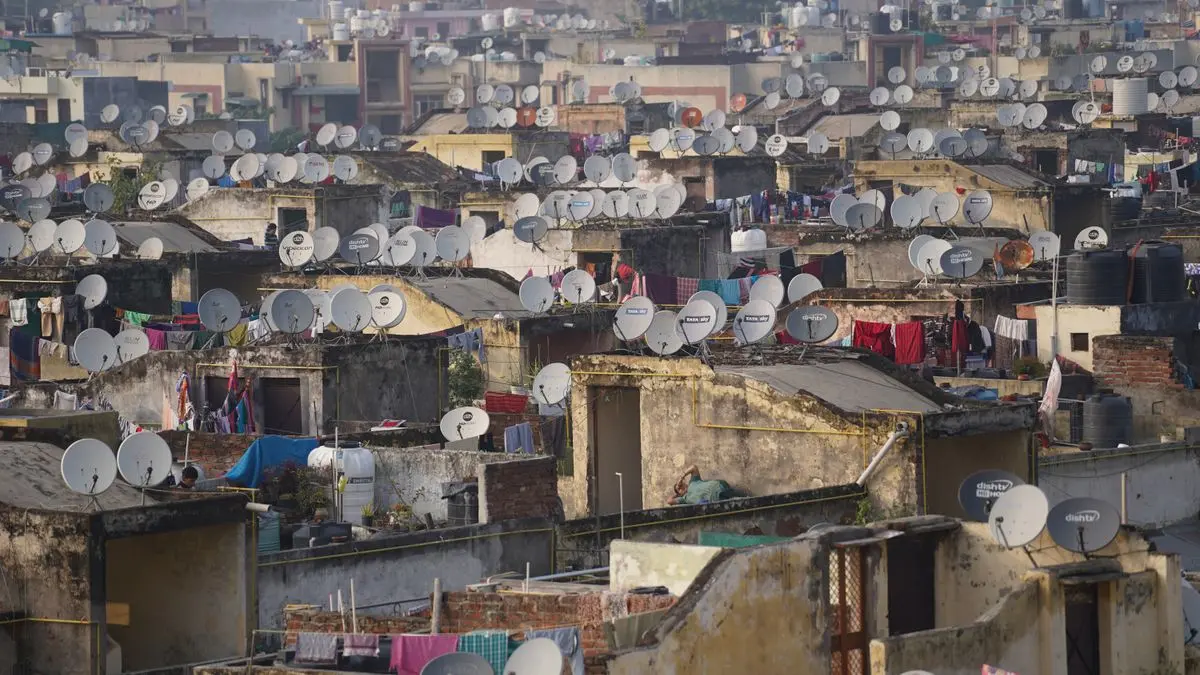 Illustrative photo · Photo by Prasanjeet Shyam on Pexels.
Frequently Asked Questions About Digital India UPI ONDC April 2026
What is Digital India UPI ONDC April 2026 and why does it matter?
Understanding Digital India UPI ONDC April 2026 is essential for professionals and businesses navigating today’s rapidly evolving landscape. This topic directly impacts strategic decisions, operational efficiency, and long-term competitiveness.
How can organizations prepare for changes related to Digital India UPI ONDC April 2026?
Organizations should conduct thorough assessments, invest in training, and develop implementation roadmaps. Staying informed about Digital India UPI ONDC April 2026 developments ensures proactive rather than reactive responses.
What are the key challenges associated with Digital India UPI ONDC April 2026?
The primary challenges include resource constraints, skill gaps, regulatory compliance, and the need for continuous adaptation. However, these challenges also present opportunities for innovation and differentiation.
How does Digital India UPI ONDC April 2026 compare to previous trends in this space?
Compared to earlier developments, Digital India UPI ONDC April 2026 represents a significant evolution in both scope and impact. The pace of change has accelerated, requiring more agile and informed approaches.
Conclusion and Future Outlook
The developments surrounding Digital India UPI ONDC April 2026 represent both challenges and opportunities for organizations and individuals alike. By understanding the key trends, implementing recommended strategies, and maintaining awareness of ongoing changes, stakeholders can navigate this evolving landscape with confidence. The future will likely bring continued innovation and regulatory evolution in this space.
What are the long-term implications of Digital India UPI ONDC April 2026?
The long-term implications extend beyond immediate tactical considerations, potentially reshaping industry structures, competitive dynamics, and regulatory frameworks. Organizations that invest in understanding and adapting to Digital India UPI ONDC April 2026 will be better positioned for sustainable success.
How should beginners approach learning about Digital India UPI ONDC April 2026?
Beginners should start with foundational concepts, gradually building knowledge through reputable sources, practical exercises, and community engagement. A structured learning path ensures comprehensive understanding without overwhelming complexity.
Expert Insights and Analysis on Digital India UPI ONDC April 2026
Industry experts and analysts have been closely monitoring developments related to Digital India UPI ONDC April 2026, offering valuable perspectives on current trends and future directions. Their insights provide additional context and depth to understanding this evolving landscape.
Professional Perspectives on Digital India UPI ONDC April 2026
Leading professionals in the field emphasize that Digital India UPI ONDC April 2026 represents a fundamental shift rather than an incremental change. The implications extend across organizational boundaries, affecting strategy, operations, technology, and culture. Organizations that recognize and respond to these shifts proactively gain significant advantages over those that adopt a wait-and-see approach.
Common Pitfalls to Avoid with Digital India UPI ONDC April 2026
Several common mistakes can undermine effectiveness when addressing Digital India UPI ONDC April 2026. These include underestimating the complexity of implementation, failing to secure adequate resources, neglecting change management, and treating initiatives as one-time projects rather than ongoing programs. Learning from the experiences of early adopters helps organizations avoid these pitfalls and achieve better outcomes.
Building a Sustainable Approach to Digital India UPI ONDC April 2026
Sustainability in the context of Digital India UPI ONDC April 2026 requires ongoing commitment, regular reassessment, and adaptive planning. Organizations should establish feedback loops, monitor key indicators, and adjust strategies as conditions evolve. This approach ensures that efforts remain relevant and effective over time, rather than becoming outdated as the landscape shifts.
The Competitive Advantage of Early Adoption
Organizations that move quickly to understand and address Digital India UPI ONDC April 2026 often gain significant competitive advantages. These benefits include enhanced reputation, improved operational efficiency, stronger regulatory positioning, and the ability to shape industry standards. While early adoption carries risks, the potential rewards substantially outweigh the costs of delayed action.
Recommendations for Different Organizational Sizes
The approach to Digital India UPI ONDC April 2026 should vary based on organizational size and resources. Large enterprises can invest in dedicated teams and comprehensive programs. Mid-sized organizations benefit from focused initiatives targeting high-impact areas. Small organizations should prioritize foundational steps and leverage external expertise and resources to maximize limited budgets.
Conclusion: Key Takeaways on Digital India UPI ONDC April 2026
This comprehensive analysis of Digital India UPI ONDC April 2026 has explored multiple dimensions including current trends, strategic considerations, best practices, risk management, and future outlook. The key takeaway is that Digital India UPI ONDC April 2026 demands proactive engagement from organizations of all sizes. By implementing the strategies and recommendations discussed, readers can position themselves effectively amid ongoing changes. Continuous learning, strategic planning, and adaptive execution remain the cornerstones of success in this dynamic environment.