
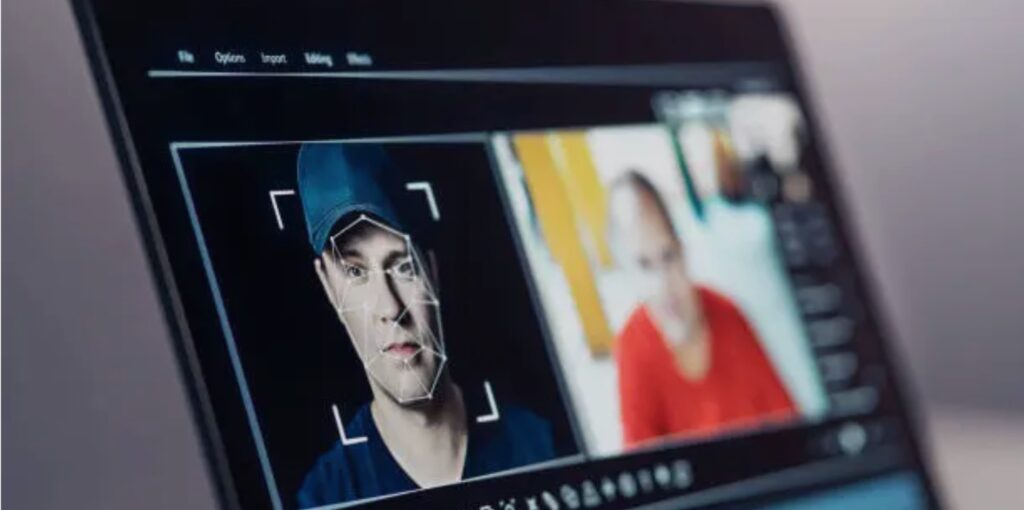


Photo by Google DeepMind via Pexels
Introduction: The Age of Deepfake-Enabled Cyberattacks
Live audio and video deepfake attacks both increased by over 11% in 2025. Resemble AI’s Q3 2025 report confirmed over 2,000 verified deepfake incidents targeting corporations, with AI-generated synthetic media weaponized for fraud, espionage, and manipulation.
Organizations face urgent imperative: rebuild verification systems for an era where seeing and hearing can no longer be believing.
What Are Deepfakes?
Deepfakes are AI-generated synthetic media—images, audio, or video—that realistically impersonate real people using:
- Generative Adversarial Networks (GANs)
- Face-swap algorithms
- Voice cloning from limited audio samples
- Text-to-speech with emotional inflection
Accessibility: Creating convincing deepfakes now requires only 3-10 seconds of target voice and consumer-grade tools.
The 2025 Deepfake Threat Landscape
1. CEO Fraud and Business Email Compromise
- Deepfake audio/video of executives requesting urgent action
- Real-time video conference impersonation
- $25 million lost in Hong Kong deepfake video call fraud (2024)
2. Social Engineering at Scale
- AI-generated personalized phishing at unprecedented scale
- Voice cloning for vishing attacks
- Automated conversation continuing until compliance
3. Identity Theft and Impersonation
Example: Chollima APT group used AI filters and deepfakes to infiltrate crypto companies with entirely synthetic professional identities.
4. Disinformation and Market Manipulation
- Fake executive statements moving stock prices
- False product announcements
- Synthetic media in corporate espionage
Why Deepfake Attacks Are So Effective
Psychological Exploitation
Humans evolved to trust audiovisual information:
- Authority bias: People comply with apparent leaders
- Urgency exploitation: Time pressure prevents verification
- Social proof: Group video calls appear legitimate
Technical Sophistication
- Real-time deepfakes with instant responses
- Emotional appropriateness and facial expressions
- Detection evasion through adversarial techniques
Defense Strategies
1. Verification Protocols
Multi-Channel Verification:
- Verify high-value requests through separate channels
- Pre-established code words or authentication phrases
- Call back on known numbers
- In-person verification for critical decisions
2. Technical Defenses
- Deploy deepfake detection tools
- Real-time video conference analysis
- Multifactor approvals with hardware tokens
- Biometric with liveness detection
3. Process Controls
- Segregation of duties for high-value transactions
- Mandatory cooling-off periods for urgent requests
- Escalation requiring multiple confirmations
Industry-Specific Risks
Financial Services: Wire fraud, voice biometric bypass
Healthcare: Fake doctor instructions, telemedicine manipulation
Government: Fake orders, espionage, political manipulation
Nonprofits: Fraudulent fundraising, donor manipulation
Conclusion: Trust Under Attack
Deepfakes weaponize trust itself. Organizations must rebuild verification systems from first principles:
- Assume any communication could be synthetic
- Implement technical detection controls
- Train employees on deepfake recognition
- Build process resilience for when deepfakes bypass controls
As deepfake technology democratizes, the question isn’t whether you’ll be targeted—it’s whether you’ll be ready.
Sources: Forbes, Resemble AI Report Q3 2025, The Hacker News, Newsweek, CNET, Trend Micro