

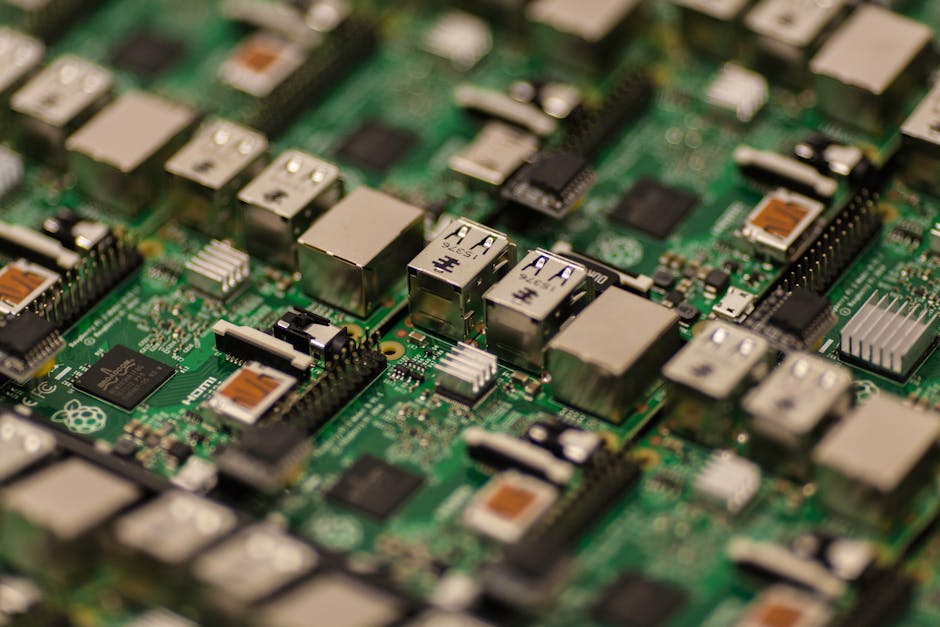

Photo by Craig Dennis via Pexels
Introduction: Edge AI and IoT Transform Computing
Edge computing and IoT devices are experiencing explosive growth in 2025. Global IoT devices will reach 21.1 billion (14% growth), while edge AI enables real-time intelligence processing at data sources. However, this distributed architecture creates unprecedented security challenges.
Key Challenge: As Forbes forecasts for 2026, “edge computing, 5G/6G deployment, and IoT devices becoming more common will witness big assaults coming from the weakest embedded device.”
What Is Edge Computing?
Edge computing processes data near its source rather than in centralized cloud data centers.
Benefits:
- Reduced latency for real-time applications
- Lower bandwidth costs
- Enhanced data privacy (local processing)
- Continued operation during network disruptions
Use Cases:
- Industrial IoT and manufacturing
- Autonomous vehicles
- Smart cities and infrastructure
- Healthcare devices and monitoring
- Retail and point-of-sale systems
Edge Computing Security Challenges
1. Physical Security Risks
- Edge devices often in unsecured locations
- Physical tampering access
- Theft of devices containing sensitive data
- Environmental exposure damaging devices
2. Resource Constraints
- Limited computational power for complex security
- Constrained memory preventing full security software
- Battery limitations affecting always-on security
- Cost pressures minimizing security investment
3. Update and Patch Management
- Distributed devices difficult to update
- Network connectivity limitations
- Downtime constraints in operational environments
- Legacy devices without update mechanisms
4. Network Security
- Communication channel encryption
- Authentication of edge devices to cloud
- Man-in-the-middle attack risks
- DDoS amplification through IoT botnets
IoT Security: The Weakest Link
Common IoT Vulnerabilities
- Default Credentials: Unchanged factory passwords
- Weak Authentication: No MFA, insecure protocols
- Unencrypted Communications: Plaintext data transmission
- Insecure Firmware: Vulnerabilities in device software
- Insufficient Logging: Unable to detect compromises
Notable IoT Security Incidents
- Mirai botnet precedent: millions of IoT devices weaponized
- Smart home device compromises enabling surveillance
- Industrial IoT attacks disrupting manufacturing
- Medical IoT vulnerabilities risking patient safety
Edge AI Security Considerations
Edge AI brings intelligence to devices, but also risks:
1. Model Security
- AI model theft from edge devices
- Adversarial attacks manipulating edge AI decisions
- Model poisoning during edge training
- Intellectual property protection
2. Data Privacy at the Edge
- Sensitive data processed locally requires protection
- Federated learning privacy implications
- Data residency and sovereignty compliance
Best Practices for Edge and IoT Security
Device Security
- Hardware root of trust and secure boot
- Strong default credentials (unique per device)
- Encrypted storage for sensitive data
- Tamper detection and response
- Secure firmware update mechanisms
Network Security
- TLS/DTLS for all communications
- Certificate-based device authentication
- Network segmentation isolating IoT
- Anomaly detection for device behavior
Lifecycle Management
- Device inventory and asset tracking
- Regular vulnerability scanning
- Automated patch deployment
- End-of-life device decommissioning
Conclusion: Securing the Distributed Future
Edge computing and IoT enable transformative applications but create distributed security challenges. Organizations must implement security from device design through deployment and lifecycle management.
Success requires: Hardware security, encrypted communications, continuous monitoring, and lifecycle management.
Sources: IoT Evolution World, Sealevel Systems, Semi Engineering, RTInsights, IoT Analytics