Table of Contents

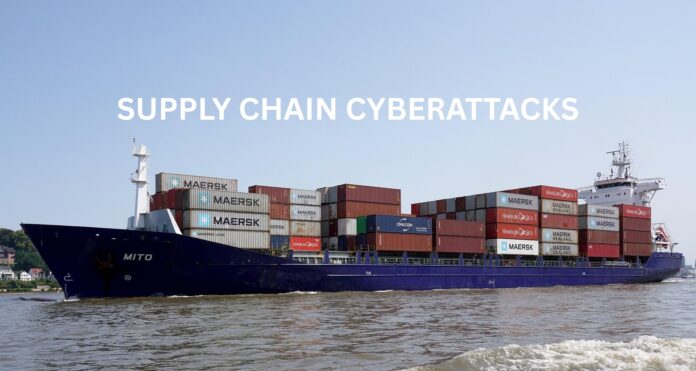
Photo by Pavel Danilyuk via Pexels
Introduction: Supply Chain Security’s Critical Moment
Cyberattacks through supply chains have increased by over 400%, with October 2025 seeing software supply chain attacks 32% above previous records. AI-orchestrated attacks combined with sophisticated targeting of upstream vendors mean organizations can no longer treat supply chain security as secondary. “You cannot secure what you cannot see”—and most organizations lack complete visibility into digital supply chains.The Scope of the Threat in 2025
October 2025 Statistics:- Software supply chain attacks: 32% above records
- Average detection time: 276 days
- Organizations affected: Thousands across all sectors
September 2025 NPM Attack
Attackers compromised popular JavaScript packages affecting millions, demonstrating AI-powered phishing enabling supply chain compromise.Understanding Supply Chain Attack Vectors
1. Software Supply Chain Compromises
- Package repository attacks (NPM, PyPI, RubyGems)
- Build pipeline infiltration
- Code signing certificate theft
- Container registry poisoning
2. Third-Party Service Provider Risks
- Managed Service Provider (MSP) compromises
- Cloud provider attacks
- Leveraging trusted relationships
3. Open Source Dependency Risks
- Modern apps have hundreds to thousands of dependencies
- Transitive dependencies create blind spots
- Unmaintained packages pose security risks
AI-Powered Supply Chain Attacks
How AI Enhances Sophistication:- Automated reconnaissance mapping dependencies
- Social engineering at scale targeting developers
- Malicious code generation and obfuscation
- Attack orchestration with 80-90% automation
Supply Chain Security Best Practices
1. Software Bill of Materials (SBOM)
- Generate SBOMs for all applications
- Track all dependencies
- Monitor for known vulnerabilities
- Update with each software change
2. Vendor Risk Management
- Security questionnaires and assessments
- SOC 2 / ISO 27001 certification requirements
- Continuous monitoring and reassessment
- Contractual protections and audit rights
3. Zero Trust for Third-Party Access
- Multi-factor authentication for vendor access
- Just-in-time privileged access
- Micro-segmentation limiting lateral movement
- Continuous authentication and authorization
Regulatory Pressures Increasing
- US Executive Order: SBOM requirements for federal contractors
- EU Cyber Resilience Act: Security-by-design mandates
- OWASP Top 10 2025: Supply chain security added
Conclusion: Supply Chain Security as Strategic Imperative
The 400% increase reflects fundamental shift in attacker strategy. Organizations are only as secure as their least secure vendor or dependency. Start now—building supply chain visibility and controls takes time, and threats continue accelerating.Sources: Cyble, IBM Security Report 2025, The Hacker News, Forbes, OWASP
The 400% Surge in Supply Chain Cyberattacks 2025
The 400% surge in supply chain cyberattacks 2025 made this year the most devastating period for third-party security breaches in history. Attackers discovered that targeting suppliers often proved easier than breaching well-defended primary targets. This paradigm shift transformed how organizations approach vendor risk management permanently across every industry sector.
The dramatic increase caught many enterprises unprepared. Security teams focused on perimeter defense while neglecting the sprawling network of suppliers, contractors, and service providers. Attackers exploited these blind spots ruthlessly and repeatedly, understanding that vendor relationships created trust-based access that bypassed external security controls designed to block unauthorized access.
Organizations that invested heavily in internal security discovered limited protection when vendors introduced vulnerabilities. The interconnected nature of modern business meant a single weak supplier could compromise an otherwise secure enterprise. This reality forced fundamental reconsideration of security architecture and vendor management practices that had treated third-party risk as secondary.
The financial services sector experienced particularly severe impacts. Banks and investment firms that had invested millions in internal security discovered their fintech partners and payment processors represented the weakest links. Regulatory bodies began demanding evidence of vendor security programs rather than accepting certifications at face value.
Why the Attack Surge Increased So Dramatically
Several factors drove the 400% increase. Attackers recognized that compromising a single supplier could grant access to hundreds of downstream victims simultaneously. This leverage made supply chain attacks exceptionally cost-effective compared to targeting individual organizations directly, offering criminal groups extraordinary return on investment.
The expansion of digital ecosystems also fueled the surge. Organizations increasingly relied on cloud services, APIs, and third-party integrations for core business functions. Each connection represented a potential entry point that attackers exploited systematically, and the attack surface multiplied exponentially as digital transformation initiatives accelerated.
Economic pressures contributed to severity. Smaller suppliers often lacked cybersecurity budgets comparable to their enterprise customers. Attackers targeted these weaker links systematically, understanding that security across interconnected systems is only as strong as the weakest connection. This dynamic created asymmetric vulnerability that proved difficult to address.
The rise of sophisticated attack tools lowered barriers for conducting these attacks. Criminal groups previously capable of only simple phishing operations now had access to advanced exploitation frameworks through dark web marketplaces. This democratization of attack capabilities contributed significantly to the surge in successful breaches across organizations of all sizes.
Notable Supply Chain Cyberattacks 2025 Incidents
Several high-profile supply chain cyberattacks 2025 incidents demonstrated the devastating potential of third-party breaches. A major software provider compromise cascaded through thousands of customers when a poisoned update distributed malicious code. This single incident affected organizations across more than forty countries and caused billions in damages through operational disruption and data theft.
A managed service provider breach ranked among the most damaging incidents. The attacker accessed client networks through the MSP’s management tools, which held privileged credentials for numerous customer environments. This single breach potentially compromised hundreds of organizations simultaneously, creating cascading effects that lasted months and required coordinated multi-organization incident response.
Manufacturing sector attacks caused physical production disruptions. When attackers compromised industrial control system vendors, downstream manufacturers halted production lines for safety reasons. These incidents demonstrated how digital supply chain attacks could cause real-world physical consequences extending far beyond data breaches into operational safety and product availability.
Government agencies were not immune. Several federal contractors experienced breaches that potentially exposed classified information through shared infrastructure. These incidents prompted emergency reviews of government supply chain security policies and accelerated implementation of zero trust architectures across federal systems and contractor networks.
Open Source Software Under Attack
Open source software dependencies featured prominently in the attack surge surge. Attackers injected malicious code into popular package repositories, exploiting the trust developers place in open source maintainers and communities. Several widely-used libraries received malicious updates that propagated to thousands of downstream applications before detection.
The npm and PyPI ecosystems experienced multiple incidents where malicious packages mimicking legitimate libraries accumulated thousands of downloads before detection. Attackers used typosquatting, dependency confusion, and compromised maintainer accounts to distribute their payloads. These techniques represented significant evolution in attack sophistication compared to previous years.
Software composition analysis became essential following these incidents. Organizations realized they needed complete visibility into every component within their applications. Software bills of materials transitioned from nice-to-have documentation to security imperatives, with regulatory bodies beginning to mandate SBOM production for critical software procurement.
The open source community responded with improved security practices. Package repositories implemented enhanced verification mechanisms, and maintainers adopted multi-factor authentication. However, the fundamental challenge of securing volunteer-maintained infrastructure that supports global software development remains unresolved and represents a systemic risk to the technology ecosystem.
Understanding Attack Vectors and Methods
Attackers employed diverse vectors that evolved throughout the year. Compromised software updates allowed attackers to distribute malware through legitimate distribution channels, bypassing traditional security controls entirely. Update poisoning proved particularly effective because it exploited inherent trust in vendor update mechanisms that organizations had relied upon for years.
Third-party API exploitation represented another significant vector. Attackers targeted external integrations that trusted partner systems implicitly, exploiting weak authentication or excessive permissions. API vulnerabilities exposed sensitive data across multiple organizations simultaneously, creating complex incident response scenarios with unclear boundaries of responsibility.
Insider threats within supplier organizations added another dimension. Attackers recruited employees at vendor companies through bribery or coercion, gaining legitimate access credentials that bypassed external security controls. These insider-enabled attacks proved extremely difficult to detect using conventional security monitoring designed for external threats.
Credential theft through vendor portal compromises became epidemic during the attack surge period. Attackers recognized that vendor management portals often held credentials for multiple customer environments, making them high-value targets. Organizations responded by implementing stronger authentication requirements and session monitoring for vendor portal access.
Hardware Supply Chain Risks Persist
Hardware concerns persisted alongside software threats. Firmware compromises in networking equipment allowed persistent backdoors that survived operating system reinstalls. These attacks required detection capabilities beyond traditional endpoint security tools, as compromised firmware operated below the operating system layer where most security tools function.
The complexity of hardware supply chains complicated defense efforts significantly. Components passed through multiple manufacturers, distributors, and integrators before reaching end users. Each transition represented a potential compromise point requiring provenance tracking and component authentication throughout the entire procurement and deployment lifecycle.
Organizations addressing hardware risks implemented firmware attestation programs that verified device integrity continuously. These programs required collaboration with device manufacturers and supply chain partners to establish trust mechanisms. The complexity and cost of hardware security limited adoption to organizations with the most sensitive requirements and adequate resources.
Building Resilience Through Zero Trust Architecture
Defending against supply chain cyberattacks 2025 required fundamental shifts in security architecture. Zero trust principles became essential for managing third-party access. The principle of never trusting and always verifying applied particularly to vendor connections that had historically received excessive network access privileges based on business relationships rather than security requirements.
Continuous monitoring replaced periodic assessments in effective defense strategies. Organizations implemented real-time vendor security scoring and automated risk assessments rather than relying on annual questionnaires. The gap between assessment and reality proved dangerous when attackers moved within hours and security reviews occurred annually or less frequently.
Microsegmentation strategies helped contain breach damage significantly. Isolating critical systems from vendor-accessible networks prevented lateral movement when vendors were compromised. Network architecture decisions directly impacted breach severity, with well-segmented organizations experiencing contained incidents rather than catastrophic compromises affecting entire environments.
Identity governance played a crucial role in defense. Managing third-party identities, enforcing least privilege access, and implementing just-in-time provisioning reduced exposure. Attackers repeatedly exploited excessive vendor permissions that remained active long after business needs ended, highlighting the importance of automated credential lifecycle management.
Vendor Risk Management Evolution
Effective vendor risk management proved critical during the surge. Organizations established tiered supplier classifications based on access levels and data sensitivity. Each tier received proportionate security requirements, ensuring that high-risk vendors faced the most stringent controls while low-risk relationships remained manageable without excessive overhead.
Contractual safeguards evolved significantly. Organizations added breach notification requirements, security audit rights, and liability provisions to vendor agreements. Contracts became frontline defense mechanisms, with legal terms providing both carrot and stick for vendor security compliance. Insurance requirements for vendors also increased dramatically.
Vendor security portals centralized risk assessments, compliance documentation, and incident communications. These platforms provided visibility across the entire vendor ecosystem, enabling security teams to identify concentration risk and prioritize remediation efforts based on actual exposure rather than theoretical risk scores that often proved inaccurate.
Technology Solutions Emerge for Defense
Technology vendors responded with specialized tools and platforms. Supply chain security products emerged as a distinct category offering continuous monitoring of vendor postures, automated compliance verification, and threat intelligence integration. This new market segment grew rapidly as organizations sought technological solutions to vendor risk challenges.
Software bills of materials management tools helped organizations track component vulnerabilities systematically. SBOM platforms automated identification of vulnerable dependencies and provided alerts when new vulnerabilities affected existing applications. These tools became essential for maintaining security across complex software stacks with hundreds or thousands of components.
Continuous attack surface monitoring platforms gained prominence. These tools discovered exposed services, vulnerable applications, and misconfigured systems across both the organization and its vendor ecosystem. Automated discovery proved far more effective than manual asset inventories that quickly became outdated in dynamic cloud environments.
Regulatory Response and Future Preparedness
Governments worldwide responded with new regulations. The SEC expanded disclosure requirements for material cybersecurity incidents, defining materiality broadly to capture third-party breaches. European NIS2 directive requirements placed greater responsibility on organizations for vendor security with significant penalties for non-compliance.
Organizations must build on lessons learned to prepare for future threats. Threat intelligence sharing among industry peers improves collective defense capabilities. Isolated security programs fail against interconnected threats that exploit shared vendor relationships across multiple organizations simultaneously.
Resilience planning remains essential. Incident response playbooks must include vendor breach scenarios and business continuity plans that account for supply chain disruptions. The supply chain cyberattacks 2025 surge will influence cybersecurity strategy for years, and organizations investing in comprehensive vendor risk management will weather future storms. Those that treat vendor security as an afterthought will remain vulnerable to attacks leveraging trusted business relationships as attack vectors.
The regulatory landscape will likely continue tightening. Legislators recognized that voluntary security standards proved insufficient during the attack surge. Future regulations may mandate specific security controls for vendor relationships and establish minimum security requirements for organizations bidding on government contracts or operating critical infrastructure.
Industry-Specific Impacts and Lessons Learned
Different industries experienced the attack surge differently, providing valuable lessons for security professionals. The healthcare sector learned that medical device vendors represented critical vulnerabilities, as compromised infusion pumps and imaging systems could directly endanger patient safety beyond data breaches alone.
Financial services organizations discovered that their extensive vendor networks for payment processing, fraud detection, and regulatory compliance created multiple attack surfaces. Banks that had invested heavily in internal security found that third-party payment gateways and fintech integrations remained vulnerable despite strong internal controls and significant security budgets.
Manufacturing companies learned that operational technology vendors often lacked basic security practices. Industrial control system suppliers had historically prioritized reliability and functionality over security, creating vulnerabilities that attackers exploited to halt production lines and demand ransoms that exceeded millions of dollars per facility.
Technology companies faced unique challenges as their own products became attack vectors. Software providers whose updates were compromised faced liability questions and customer trust erosion that proved more damaging than the immediate breach costs. Several software companies established dedicated supply chain security teams in response to these incidents.
Government agencies recognized that national security implications extended beyond classified systems. Critical infrastructure operated by private companies represented attractive targets for nation-state actors seeking to disrupt services without direct military confrontation. This recognition drove increased government-industry collaboration on supply chain security standards and threat intelligence sharing.
Retail organizations experienced significant impacts as e-commerce platform vendors and payment processing partners were compromised. Customer data breaches through third-party vendors resulted in regulatory penalties and class action lawsuits that cost retailers millions despite having limited control over vendor security practices. These incidents drove demand for stricter vendor security contractual requirements.
The legal implications of supply chain breaches created new liability frameworks. Courts began holding organizations responsible for damages caused by vendor negligence, even when the organization itself had implemented reasonable security measures. This expanded liability drove demand for cyber insurance products specifically covering third-party breach scenarios and vendor risk management failures.
Security awareness training evolved to include vendor risk topics. Employees learned to recognize social engineering attempts targeting vendor relationships and to report suspicious communications from supposed suppliers. This human-centric defense layer complemented technological controls and proved particularly valuable for detecting business email compromise attempts that leveraged vendor impersonation.
The evolution of supply chain security also influenced cybersecurity investment patterns. Venture capital flowed toward startups offering innovative vendor risk management solutions. The market for supply chain security tools grew rapidly, attracting both new entrants and expansion from established cybersecurity vendors seeking to address growing customer demand for comprehensive third-party protection capabilities.
The legal implications of supply chain breaches created new liability frameworks. Courts began holding organizations responsible for damages caused by vendor negligence, even when the organization itself had implemented reasonable security measures. This expanded liability drove demand for cyber insurance products specifically covering third-party breach scenarios and vendor risk management failures.
Security awareness training evolved to include vendor risk topics. Employees learned to recognize social engineering attempts targeting vendor relationships and to report suspicious communications from supposed suppliers. This human-centric defense layer complemented technological controls and proved particularly valuable for detecting business email compromise attempts that leveraged vendor impersonation.

